
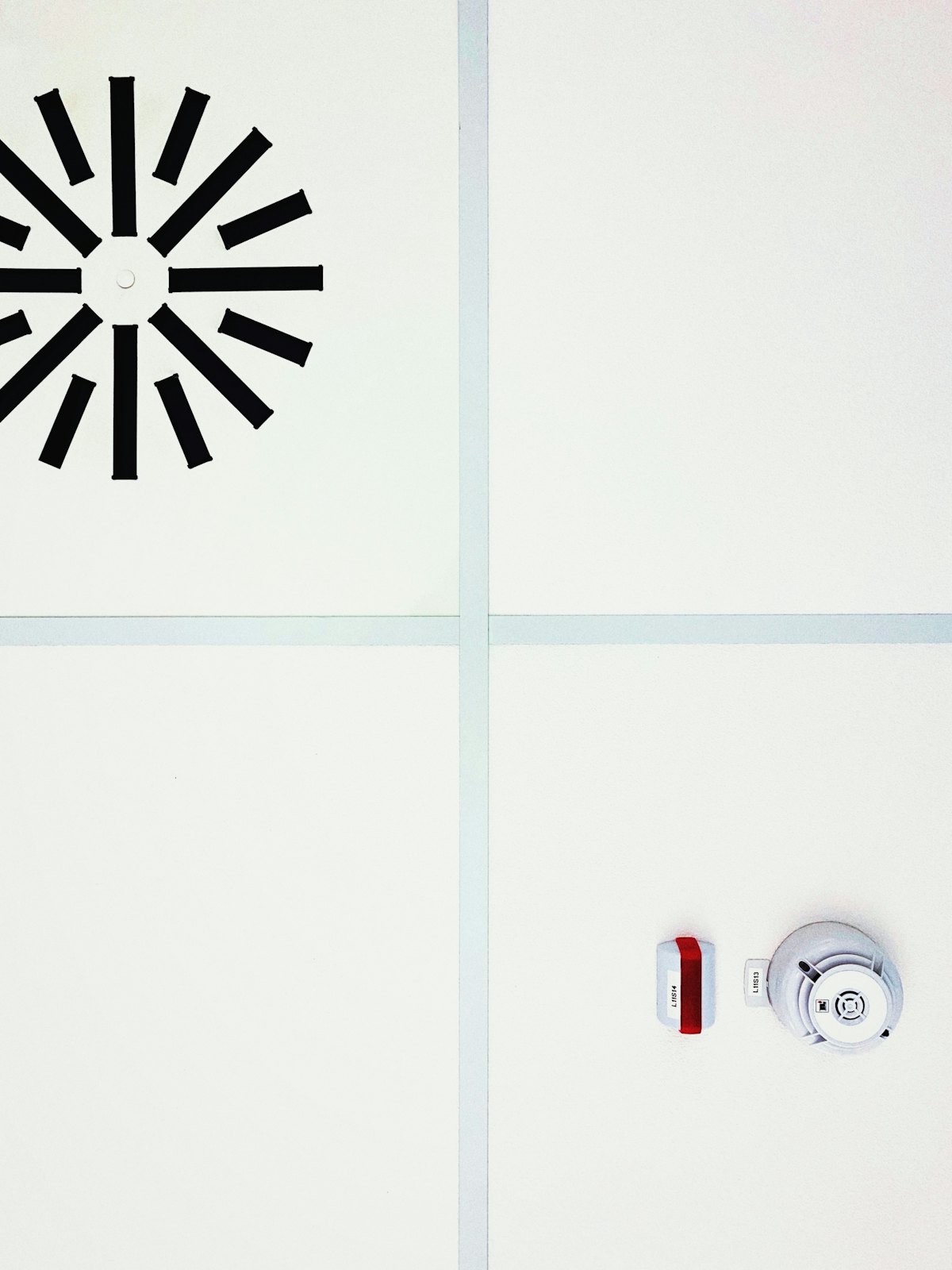
Smoke Alarm Installation in Gladstone
Queensland law requires interconnected photoelectric smoke alarms in every home by 1 January 2027. We install them properly, to the standard, with a compliance certificate on completion.
Four things make an installation compliant.
Having smoke alarms isn't the same as being compliant. Most non-compliant homes we attend have working alarms — they're just the wrong type, in the wrong places, or not interconnected.
Installation, compliance and ongoing testing.
Whether you're a homeowner getting ahead of the 2027 deadline, a landlord with existing obligations, or a property manager handling a portfolio, we cover the lot.
Whole-Home Installation
Full compliant installation for owner-occupied homes ahead of the 2027 deadline. We assess the floor plan, determine how many alarms are required and where, then install and interconnect the lot.
- On-site assessment & written quote
- Interconnected photoelectric alarms
- Compliance certificate issued
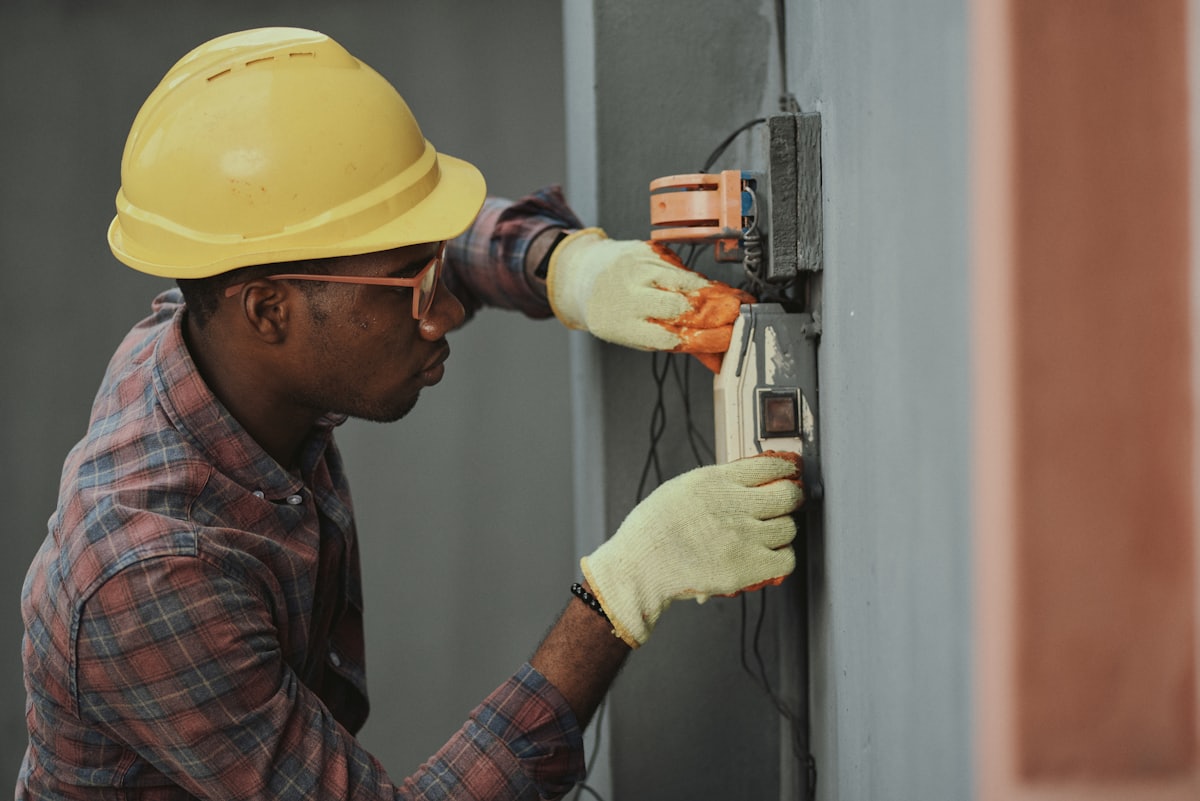
Hardwired & Wireless Options
Hardwired alarms with battery backup, or wireless interconnected units where running cable isn't practical. We'll tell you honestly which suits your home and why.
- Hardwired to mains with backup
- Wireless interconnection for retrofits
- Switchboard capacity checked first
Landlords & Property Managers
Rental properties have had to comply since January 2022, with testing obligations at the start of each tenancy. We handle single properties or whole portfolios across the region.
- Compliance audits & upgrades
- Tenancy changeover testing
- Portfolio scheduling
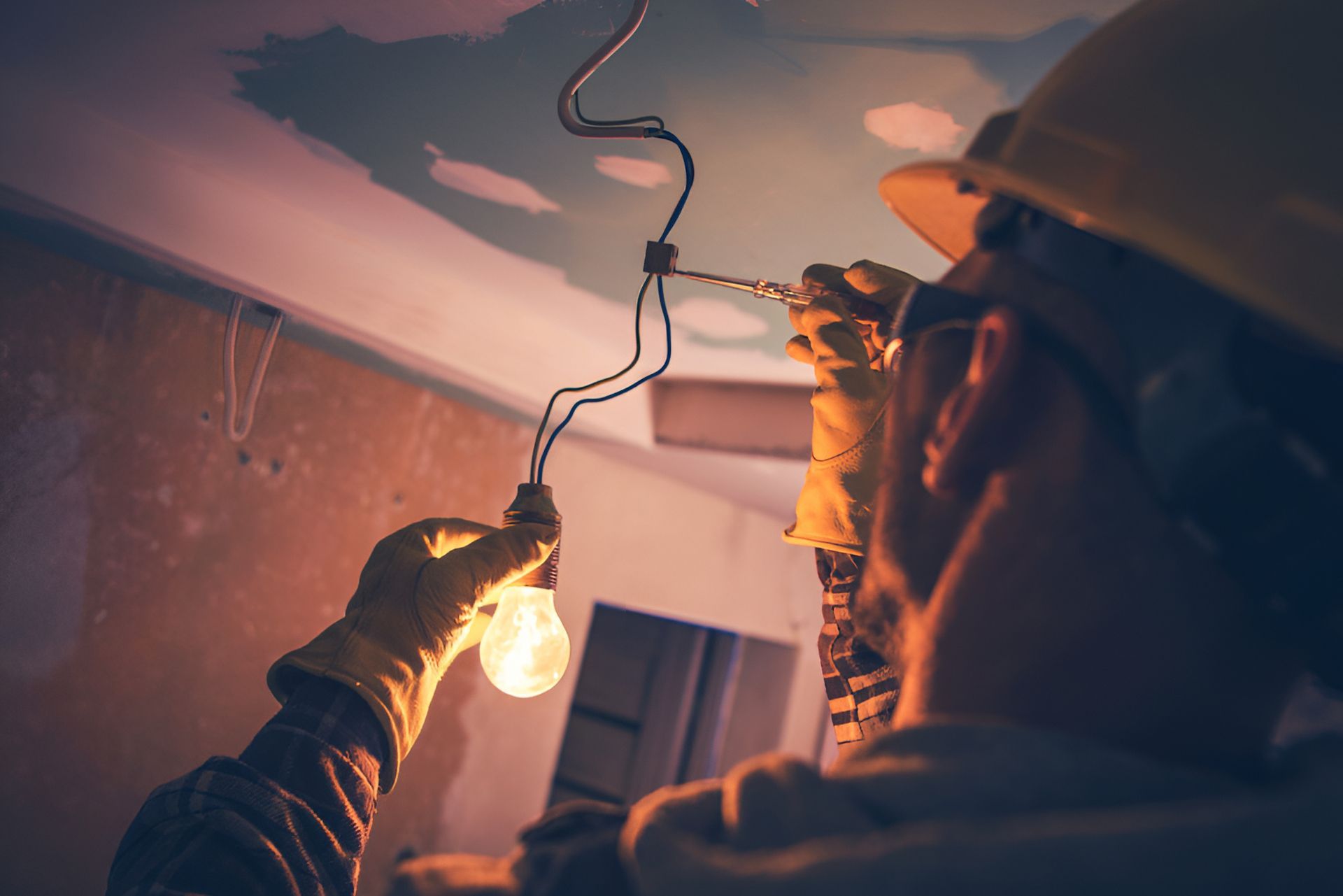
Testing, Servicing & Replacement
Alarms expire — usually ten years from the date of manufacture printed on the unit. An alarm that still beeps when tested can still be past its expiry and non-compliant.
- Expiry date checks
- Testing & cleaning
- Like-for-like replacement
Smoke alarm installation and 2027 compliance in Gladstone
Queensland has the strictest residential smoke alarm requirements in Australia, and the final stage takes effect on 1 January 2027. From that date, every existing private home, townhouse and unit in the state must have interconnected photoelectric smoke alarms complying with Australian Standard AS 3786-2014. The requirement also extends to registered caravans and motorhomes.
Davey Service & Maintenance QLD installs compliant smoke alarm systems throughout Gladstone, Calliope, Boyne Island, Tannum Sands, Biloela, Agnes Water and Rockhampton. We hold Queensland Electrical Contractor Licence 87731, and every installation is completed to AS/NZS 3000 with a Certificate of Testing and Compliance issued on completion.
How Queensland got here — the three stages
The legislation rolled out in stages over a decade, which is why many homeowners are unclear about whether it applies to them. It now applies to essentially everyone.
- From 1 January 2017 — all new dwellings and substantially renovated dwellings
- From 1 January 2022 — all domestic dwellings being sold, leased, or having an existing lease renewed
- From 1 January 2027 — all remaining owner-occupied dwellings
If you own and live in your home and haven't sold, leased or substantially renovated it since 2017, the 2027 date is the one that applies to you — and it's the reason we're recommending people book now rather than in December.
A practical warning about timing. Every owner-occupied home in Queensland needs this done by the same date. Electricians across the state are working through the same backlog, and availability tightens sharply as the deadline nears. Booking in spring rather than late December means you get a considered installation at a normal price, not a rushed one.
Why interconnection is the part that matters
Of the four requirements, interconnection is the one that changes outcomes most and the one most often missing. A standalone alarm only alerts people who can hear that specific unit. In a fire starting in a living area at 2am, an alarm in the hallway may not wake someone sleeping behind a closed bedroom door at the other end of the house — and closed doors, which are excellent at slowing a fire, are also excellent at blocking sound.
Interconnected alarms solve this. When any one alarm detects smoke, every alarm in the home sounds simultaneously. The occupants who need the most warning — those furthest from the fire and asleep — get the same alert at the same moment as everyone else.
Hardwired or wireless?
Both can comply, and the right answer depends on your home.
Hardwired alarms connect to mains power with a battery backup, and interconnect via cabling. They're the standard approach in new builds and in homes where ceiling access makes cable runs straightforward. They're reliable, there's no battery replacement cycle to manage across multiple units, and they're generally the better long-term option where the home allows it.
Wireless interconnected alarms use a sealed ten-year lithium battery and communicate by radio frequency. They're the practical choice for retrofitting older Gladstone homes where running cable between rooms would mean lifting floors or cutting ceilings. A well-specified wireless system is fully compliant and considerably less invasive to install.
We'll assess the house and tell you which makes sense. Where hardwiring is viable we'll usually recommend it, but we won't pull a ceiling apart to achieve it when a compliant wireless system does the job.
Where alarms are required
Compliant alarms must be installed in every bedroom, in hallways that connect bedrooms with the rest of the home, and on every storey of the dwelling. Where a storey has no bedroom, an alarm is still required in the most likely path of travel out of the building.
Placement within each space matters as much as the count. Alarms too close to a wall corner sit in dead air. Alarms near a ceiling fan, air conditioning outlet or open window may have smoke blown away from them. Alarms too close to a kitchen or bathroom trigger constantly on cooking steam — and an alarm that's been disconnected because it kept going off protects nobody. Getting placement right is the difference between a system that works and a system that gets disabled.
Alarms expire, even when they still work
Smoke alarms have a service life, typically ten years from the date of manufacture printed on the back of the unit. Sensitivity degrades over time as the sensing chamber accumulates dust and the components age. An alarm that chirps obediently when you press the test button can still be well past its expiry date and non-compliant.
The test button confirms the sounder and battery work. It does not confirm the sensor can still detect smoke. When we attend a property we check manufacture dates on every unit, because a house full of working-but-expired alarms is a common finding and an easy one to miss.
Landlords and property managers
Rental properties have needed interconnected photoelectric alarms since 1 January 2022, and landlords carry ongoing testing and maintenance obligations, including testing within a defined period before the start of each new tenancy. We work with individual landlords and property managers across the Gladstone region on compliance audits, upgrades, and scheduled testing around tenancy changeovers.
For portfolios, scheduling the work together is significantly cheaper than attending properties one at a time as each tenancy turns over.
Not sure whether your home already complies? Most people aren't, and it's not obvious by looking. We'll check the type, age, placement and interconnection of what you've got and tell you plainly what's needed — even if the answer is nothing. Call 07 4973 8067.
Smoke alarm FAQs
What are the Queensland smoke alarm requirements for 2027?
From 1 January 2027, all existing private homes, townhouses and units in Queensland must have interconnected photoelectric smoke alarms complying with Australian Standard AS 3786-2014. Interconnected means that when one alarm detects smoke, every alarm in the home sounds. The requirement also extends to registered caravans and motorhomes.
Homes that are sold or leased have needed to comply since 1 January 2022, and new or substantially renovated homes since 1 January 2017.
How many smoke alarms do I need in my home?
Compliant alarms are required in every bedroom, in hallways connecting bedrooms with the rest of the home, and on every storey. If a storey has no bedroom, an alarm is still required in the most likely path of travel to exit the dwelling.
The exact number depends on your floor plan, which is why we assess on site rather than quoting a fixed count over the phone.
Can I install smoke alarms myself?
Battery-only alarms can be fitted by a homeowner, but hardwired alarms must be installed by a licensed electrician, and interconnection needs to be set up correctly to comply.
Getting placement or interconnection wrong means the installation doesn't meet the legislation even though alarms are present. We hold Electrical Contractor Licence 87731 and install to the standard.
What's the difference between photoelectric and ionisation alarms?
Photoelectric alarms detect smoke using a light sensor and respond faster to smouldering fires — the type that most often start in homes overnight. Ionisation alarms respond faster to flaming fires but are slower with smouldering ones and are more prone to nuisance triggering from cooking.
Queensland legislation requires photoelectric alarms. Ionisation alarms do not comply.
Do alarms need replacing even if they still work?
Yes. Smoke alarms have a service life, usually ten years from the date of manufacture printed on the unit. An alarm that still beeps when tested can still be past its expiry and non-compliant — the test button confirms the sounder and battery, not the sensor.
Alarms must also be replaced if they stop working, or if the home is converted into a rental property.
Do you service smoke alarms for landlords and property managers?
Yes. Rental properties have had to meet the interconnected photoelectric requirement since 1 January 2022, and landlords have testing and maintenance obligations at the start of each tenancy.
We work with landlords and property managers across the Gladstone region on installation, compliance checks and scheduled testing. For portfolios, scheduling the work together is considerably cheaper than attending one property at a time.
Get compliant well before the deadline.
Free assessments and written quotes on smoke alarm installation across Gladstone, Calliope, Boyne Island, Tannum Sands, Biloela, Agnes Water and Rockhampton.
Monday–Friday, 7:00am–5:00pm · After-hours emergency call-outs available